




Top political advisor stresses social stability, modernization in NW China's Xinjiang
Intrepid 'king of grass' plants shrubs to tame the Taklimakan
Hotan to host fifth Xinjiang culture and tourism development event
NW China's Xinjiang widens Altai cooperation platform as Central Asian participation grows
.jpg)
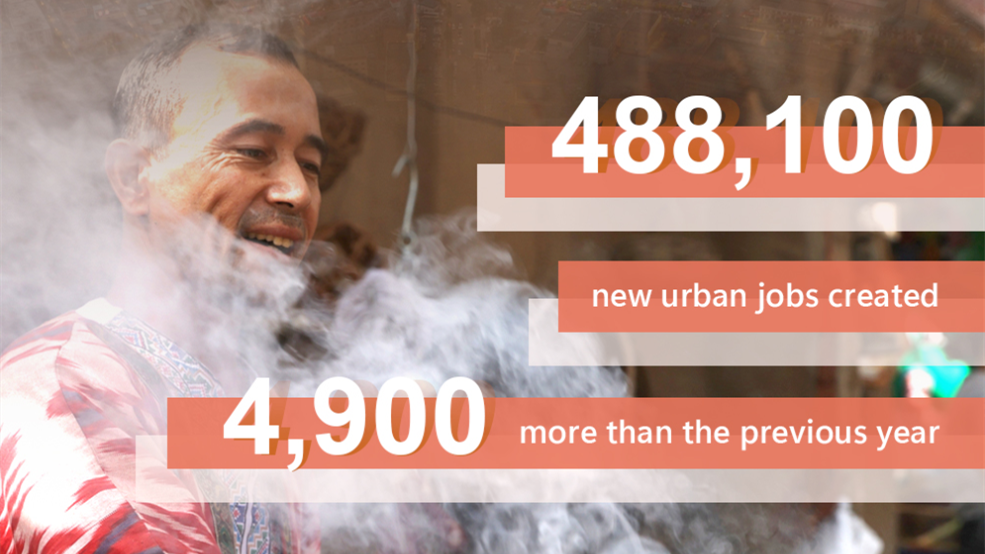
EconoScope | Xinjiang harnesses green energy strengths to build new computing power hub
As China advances its strategy to make computing power flow as seamlessly as electricity and water, Xinjiang Uygur Autonomous Region is emerging as a key player in the country's digital infrastructure landscape.


.png)

Press Conference
.jpg)
The Special Press Conference of Xinjiang on Kashgar
The 14th Press Conference on Xinjiang in Beijing
The Special Press Conference in Xinjiang International Grand Bazaar
The Special Press Conference on Corban Festival
The 13th Press Conference on Xinjiang in Beijing
The 50th Press Conference on Xinjiang-related Issues
The 48th Press Conference on Xinjiang-related Issues
The 47th Press Conference on Xinjiang-related Issues
The 12th Press Conference on Xinjiang in Beijing
Video
-
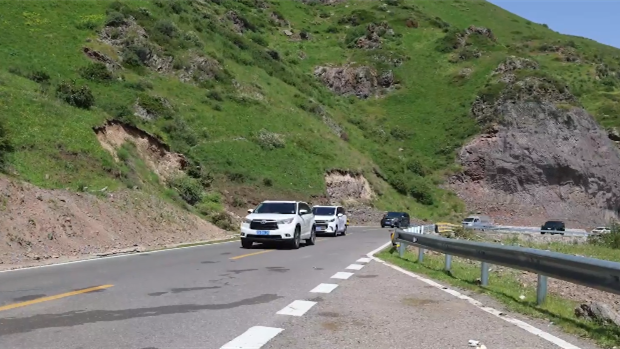
Xinjiang's scenic Yizhao Highway open again for summer tourism
The Yizhao Highway in Xinjiang, known as "Little Duku," has reopened for summer. The 122-kilometer scenic route crosses a 3,000-meter pass, offering diverse landscapes where travelers experience "four seasons on one mountain." Due to harsh weather, the road is only open in summer, with local authorities clearing snow and traffic police providing patrols and emergency assistance to ensure visitor safety.
-
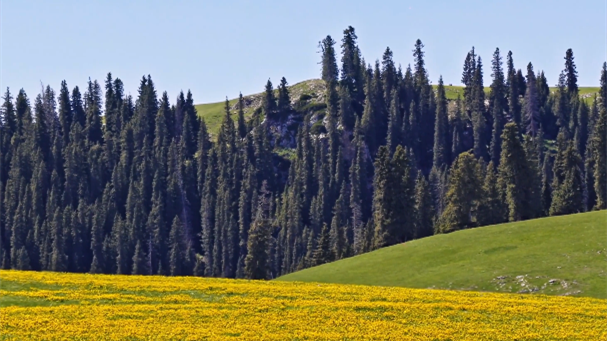
Breathtaking view of Kalajun Grassland in Xinjiang
-
.png)
Grassland awakens in northwest China's Xinjiang
-
.png)
China's Xinjiang gets first direct passenger air link to Germany
-
.png)
Rare Dalmatian pelicans spotted as migratory birds breed in NW China's wetlands
White Papers
CPC Guidelines for Governing Xinjiang in the New Era: Practice and Achievements
September 2025
China’s Legal Framework and Measures for Counterterrorism
January 2024
Xinjiang Population Dynamics and Data
September 2021
Full text: Respecting and Protecting the Rights of All Ethnic Groups in Xinjiang
July 2021
Full Text: Employment and Labor Rights in Xinjiang
September 2020