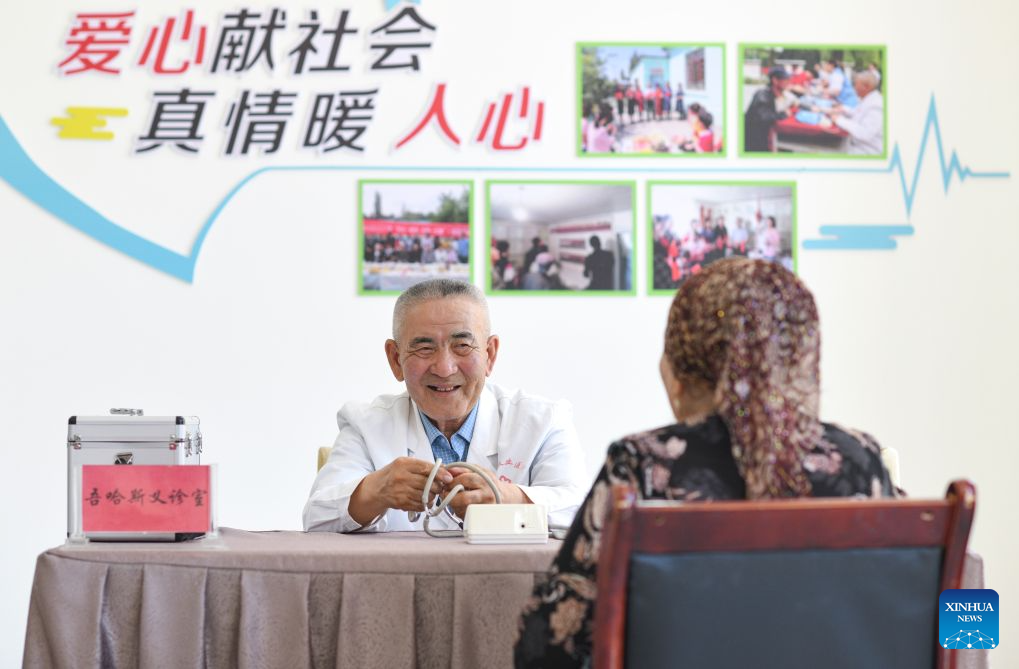
Uhas Sulayman provides a patient with a free medical consultation at his health service center in Karabura town, Yumin county, Northwest China's Xinjiang Uygur autonomous region, June 16, 2026. [Photo/Xinhua]
As a young rural doctor, Uhas Sulayman used to travel on horseback through mountain pastures to reach patients in his hometown of Yumin county in the Xinjiang Uygur autonomous region.
More than five decades later, now in his early 70s, he continues to provide medical services to local residents — no longer on horseback, but at a neighborhood health facility.
"When I officially retired in 2015, many people urged me to rest. But I felt that my responsibility as a Party member was to keep serving those in need. I just needed to change the place where I do so," he said.
Over the course of his career, Uhas has traveled more than 200,000 kilometers, treated more than 100,000 patients and helped deliver more than 3,200 babies. He joined the Communist Party of China in November 1993 and was awarded this year's July 1 Medal.
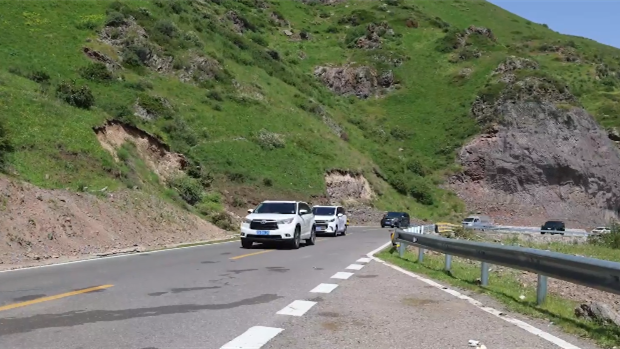
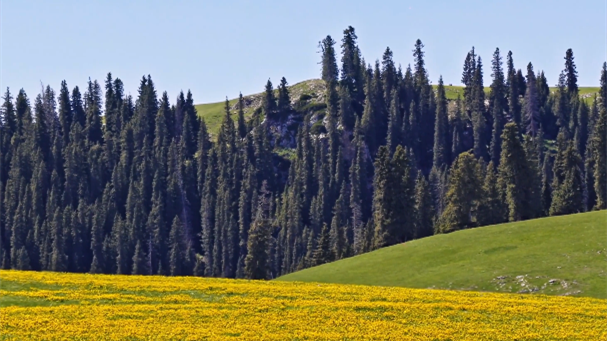
When he began practicing medicine at a local hospital in Yumin county after graduating from medical school in 1975, there were no paved roads, communication devices or ambulances. Local herders lived scattered across remote mountain valleys and vast grasslands, making access to healthcare extraordinarily difficult.
Carrying a medical kit on horseback, Uhas responded to every call for help to the best of his ability, regardless of how long the journey or how harsh the weather was. At the time, a one-way trip to the farthest winter pasture could take more than a day, and blinding snowstorms often made it impossible to find the right direction.
To this day, stories of his selfless dedication continue to resonate among local herders. One such story dates back to a blizzard in 1987, when Uhas assisted with a difficult premature delivery and saved the newborn's life by sucking mucus from the infant's airway.
For patients facing financial hardship or living with disabilities, Uhas has often provided free medical services and paid for their medication out of his own pocket.
His daughter, Mayra, recalled that her father was often a stranger to her during her childhood, sometimes staying away from home for four or five months at a time. However, she vividly remembers accompanying him on house calls during summer vacations.
"When we arrived, the herders would greet us like family. Watching my father save a newborn during a delivery planted the seed in my heart to become a doctor," said Mayra, who went on to study preventive medicine and has since returned to work in her hometown.
In addition to continuing to provide healthcare guidance at a community health facility, Uhas has launched a health service project that has so far recruited 350 volunteers and organized 1,500 health education events.
"I've lost count of how many patients I've treated," he said. "As a doctor, doing my utmost to protect the people's health is my duty."
.png)
.png)
.png)
.png)
.png)

.jpg)
.png)


.jpg)
.png)
.png)
.png)
.png)
.png)