With its long and slender branches and soft, thin leaves, the goji berry tree is an unassuming plant. But its deep-delving roots hold the secret to the success of the Three-North Shelterbelt Forest Program spanning northwestern, northern and northeastern China.
Its branches bear small red berries — sweet, chewy, and packed with nutrients. Remarkably, harvesting the fruit does not weaken the plant's hold on the sand. So it protects the land while also providing a valuable cash crop. Its leaves, tender and fragrant, can also be plucked and brewed into tea.
The Three-North Shelterbelt Forest Program, which spans 13 provincial-level regions, has made remarkable achievements in improving ecological stability and supporting local communities.
Something worth drawing attention to on Wednesday, the World Day to Combat Desertification and Drought, is that drylands already cover 40 percent of the Earth's land.
According to a 2024 United Nations report, if greenhouse gas emissions are not curbed, another 3 percent of the world's humid areas will turn into drylands by the end of this century.
To make matters worse, green-wall projects around the world have faltered, undone by short-term aid cycles and lack of sustained funding. China, however, has developed an approach that has injected sustained momentum into its fight against desertification.
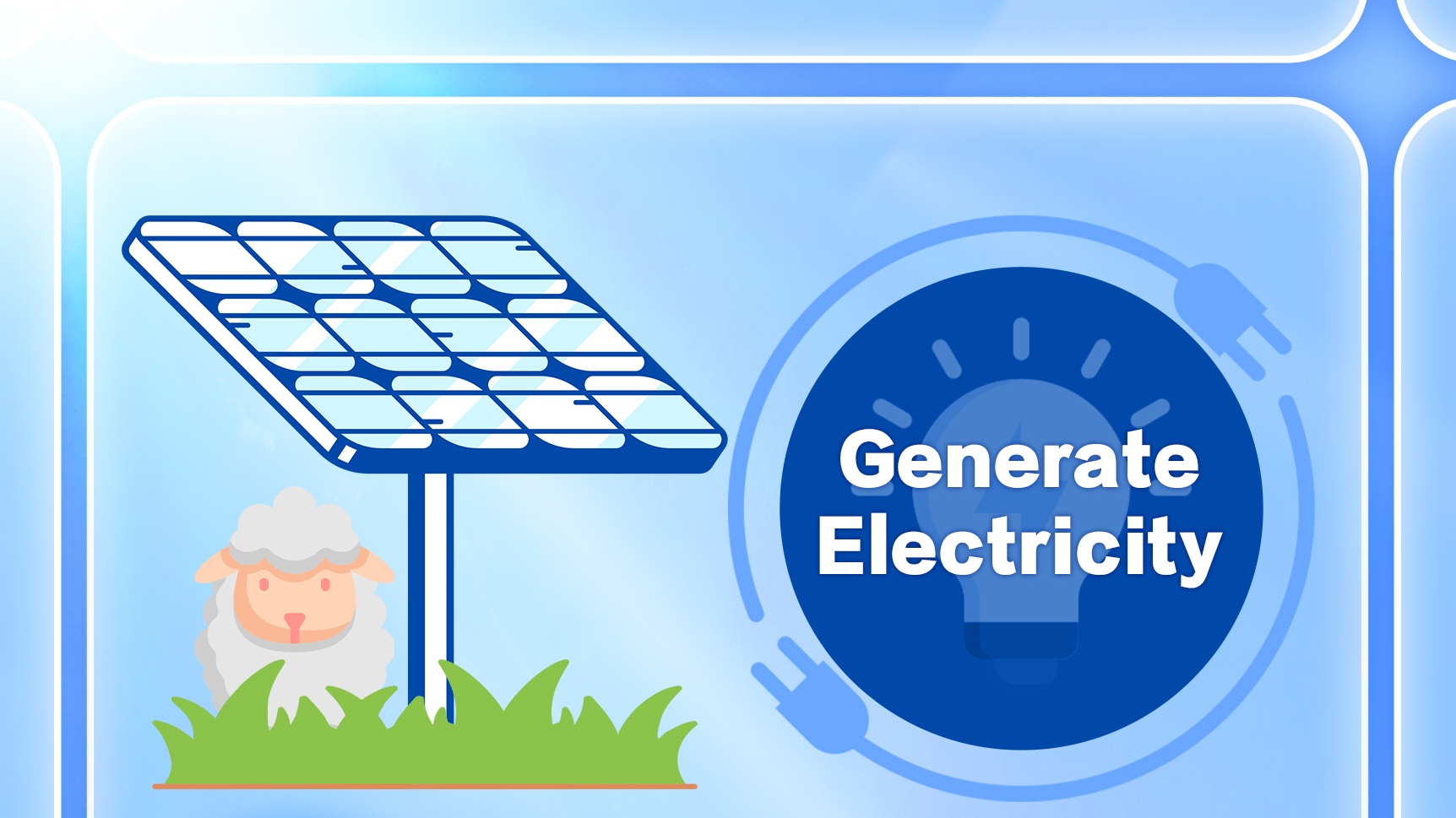
The goji berry plants and other crop plants are often planted under solar panels, which not only provide shade and shelter, but also reduce transpiration.
A recent editorial in the journal Nature said the success of China's Three-North Shelterbelt Forest Program offers a vital blueprint for a warming planet.
Launched in 1978, the program, which involves 46.7 percent of China's total land area, has nearly tripled forest cover in the region — from about 5 percent to nearly 14 percent by 2023.
What does the program look like on the ground? On the southern edge of the Taklimakan Desert, in Hotan, encouraged by the Xinjiang Uygur autonomous region government's "first-build-then-subsidize" initiative, Sudiomar Tursun, an entrepreneur from Ayimak village in Hotan, claimed nearly 70 hectares of desert last year. Under the initiative, residents level the land and plant trees — paying no rent. Only when the tree survival rate reaches 85 percent do they receive government subsidies: 30,000 yuan ($4,435) per hectare, plus 3,000 yuan annually for another three years.
Guided by the local government, Tursun planted large-fruited oleaster trees. Based on current fruit prices, she can earn 22,500 to 30,000 yuan per hectare starting in 2028. The government also built roads and supplies free electricity and water.
"We suffer from severe flying dust in Hotan," Tursun said. "I think if we can do this work and stick with it, it will benefit us — and it will leave a better future for our kids."
She is not alone. According to Hotan's forestry and grassland administration, 69,900 residents have participated in the initiative, and the total area covered is more than 60,300 hectares.
What China's Three-North Shelterbelt Forest Program has proven is a simple yet profound truth that lies at the heart of the nation's ecological civilization concept: lucid waters and lush mountains are invaluable assets.
There are no lucid waters to be seen yet, but there is the lush green of oleaster leaves, the red of goji berries ripening under solar panels, and the steady income flowing into the pockets of local farmers.
In the past, one had to choose between a healthy environment and a healthy economy. However, the goji berry does not choose between holding the sand and feeding a family. It does both. The solar panels do not choose between generating clean energy and providing shade for crops. They do both. And Tursun did not choose between saving her hometown from dust storms and securing a future for her children. She did both.
And that is the secret behind China's Great Green Wall Initiative — development need not be at the expense of the environment.
.png)
.png)
.png)
.png)
.png)

.jpg)
.png)


.jpg)
.png)
.png)
.png)
.png)
.png)